

Custom Compression Molding
Precision. Performance. Proven Experience.
CTC Plastics delivers high-volume, high-performance compression molded components for the most demanding industries.
What is Compression Molding?
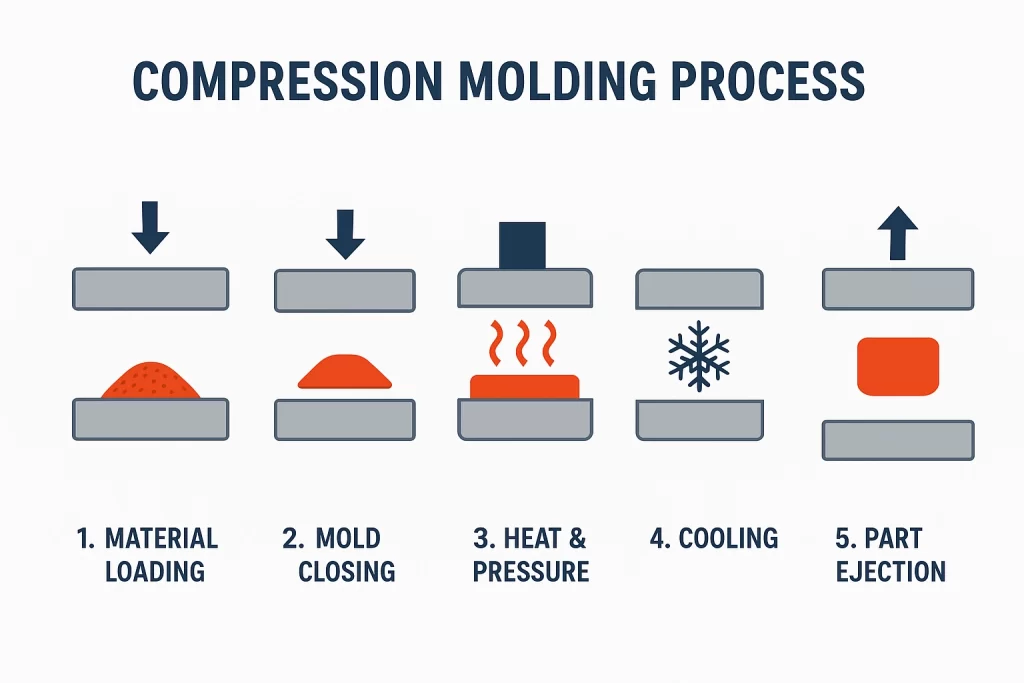
Compression molding uses heat and pressure to produce durable, lightweight, cost-efficient parts with excellent dimensional stability.
Our Capabilities
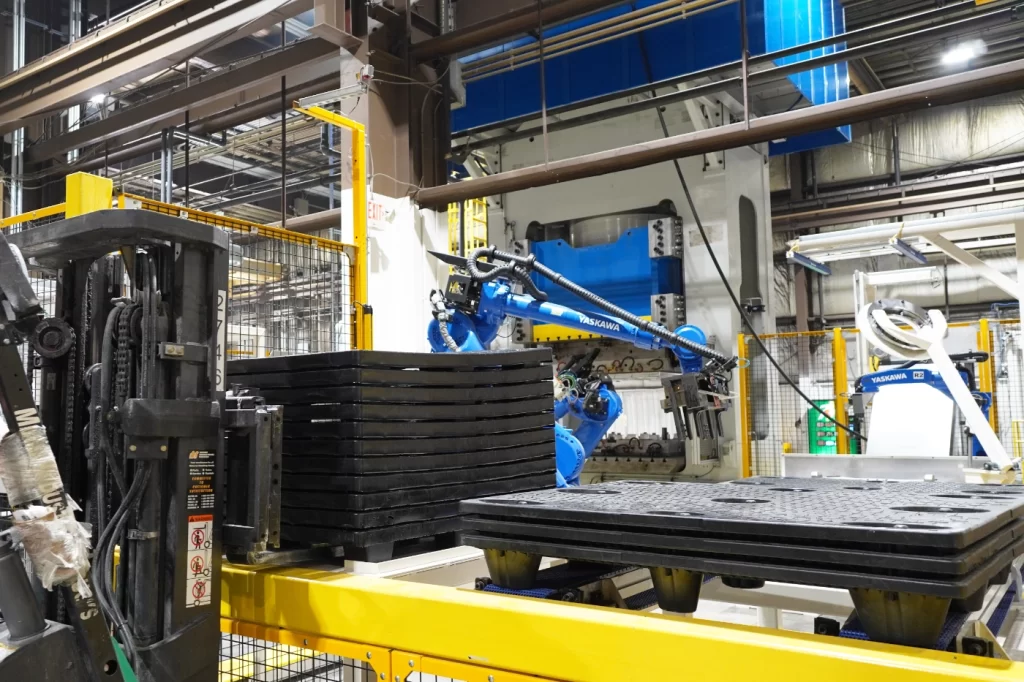
Tonnage range (e.g., 750–4000 tons)
Tooling design & build
Material blending and testing
Post-molding finishing and assembly
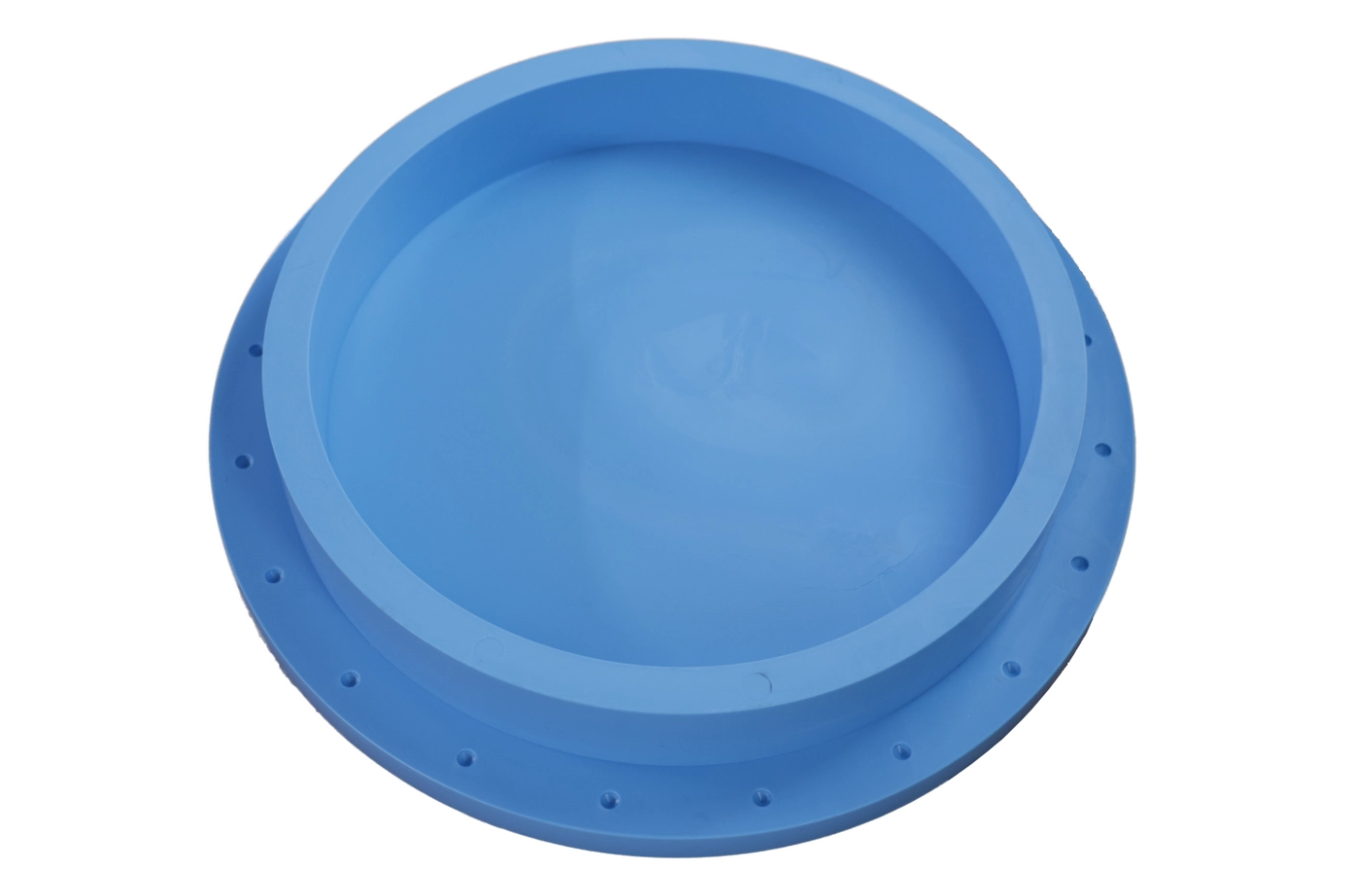
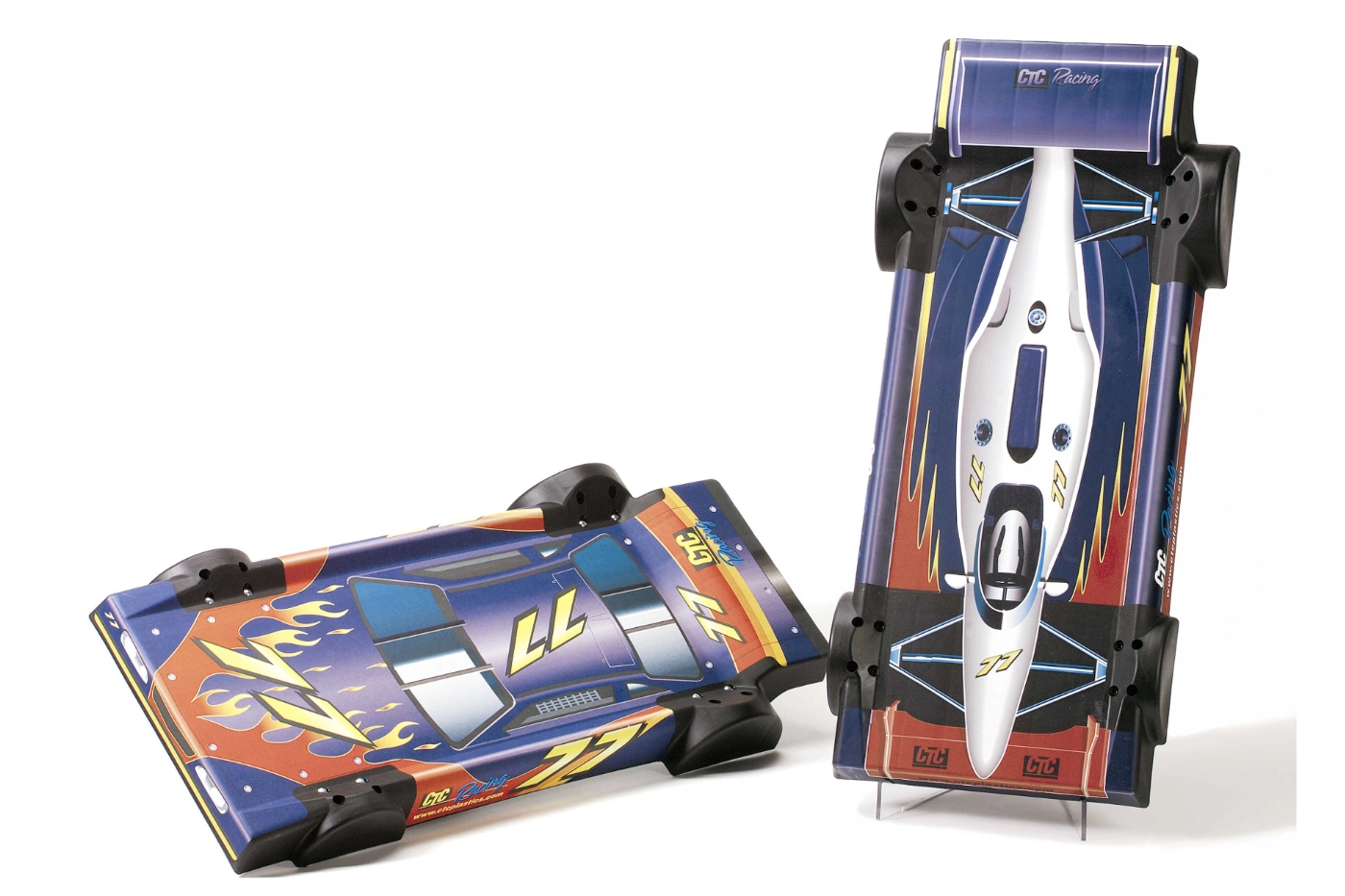
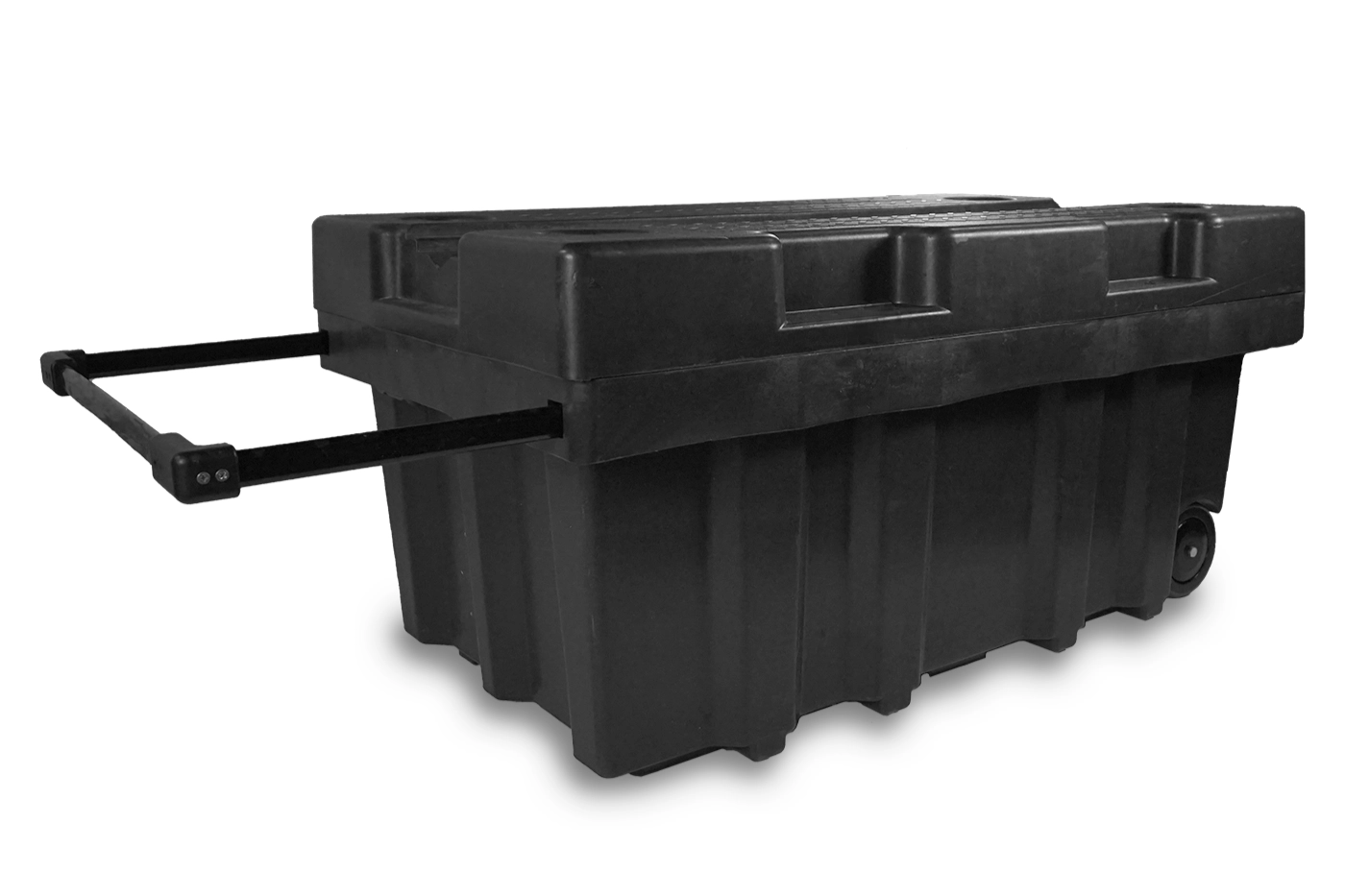
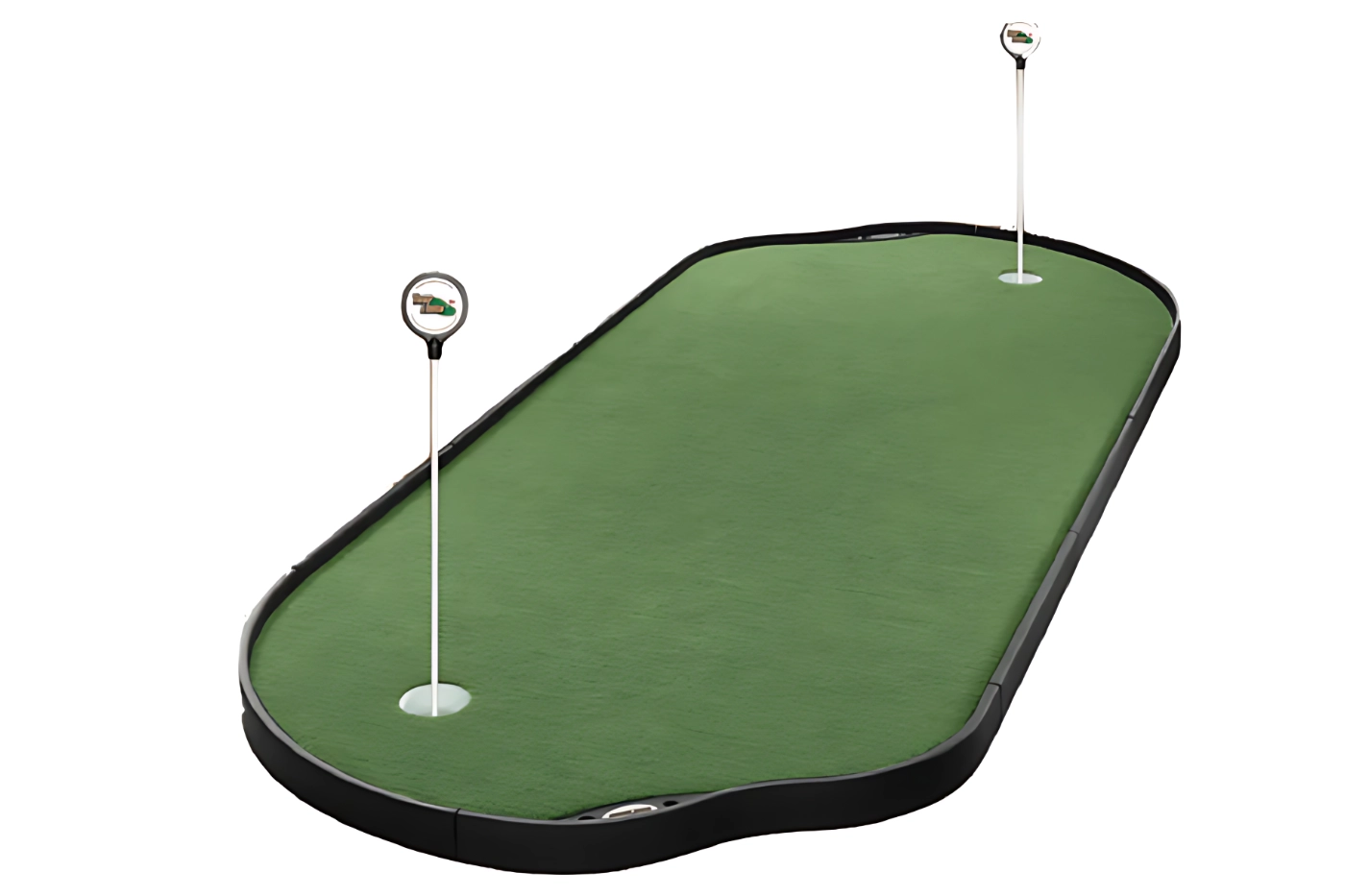
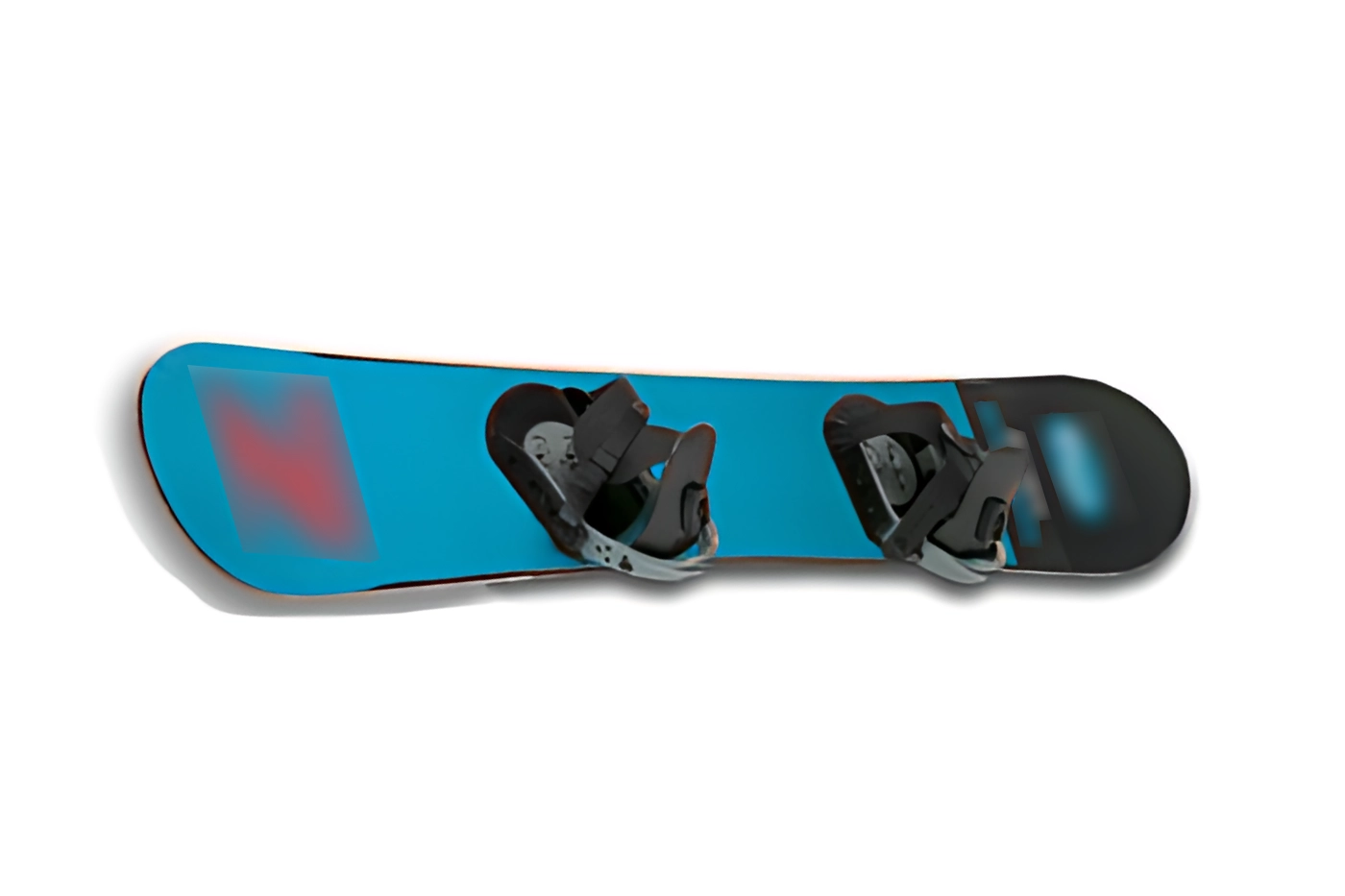
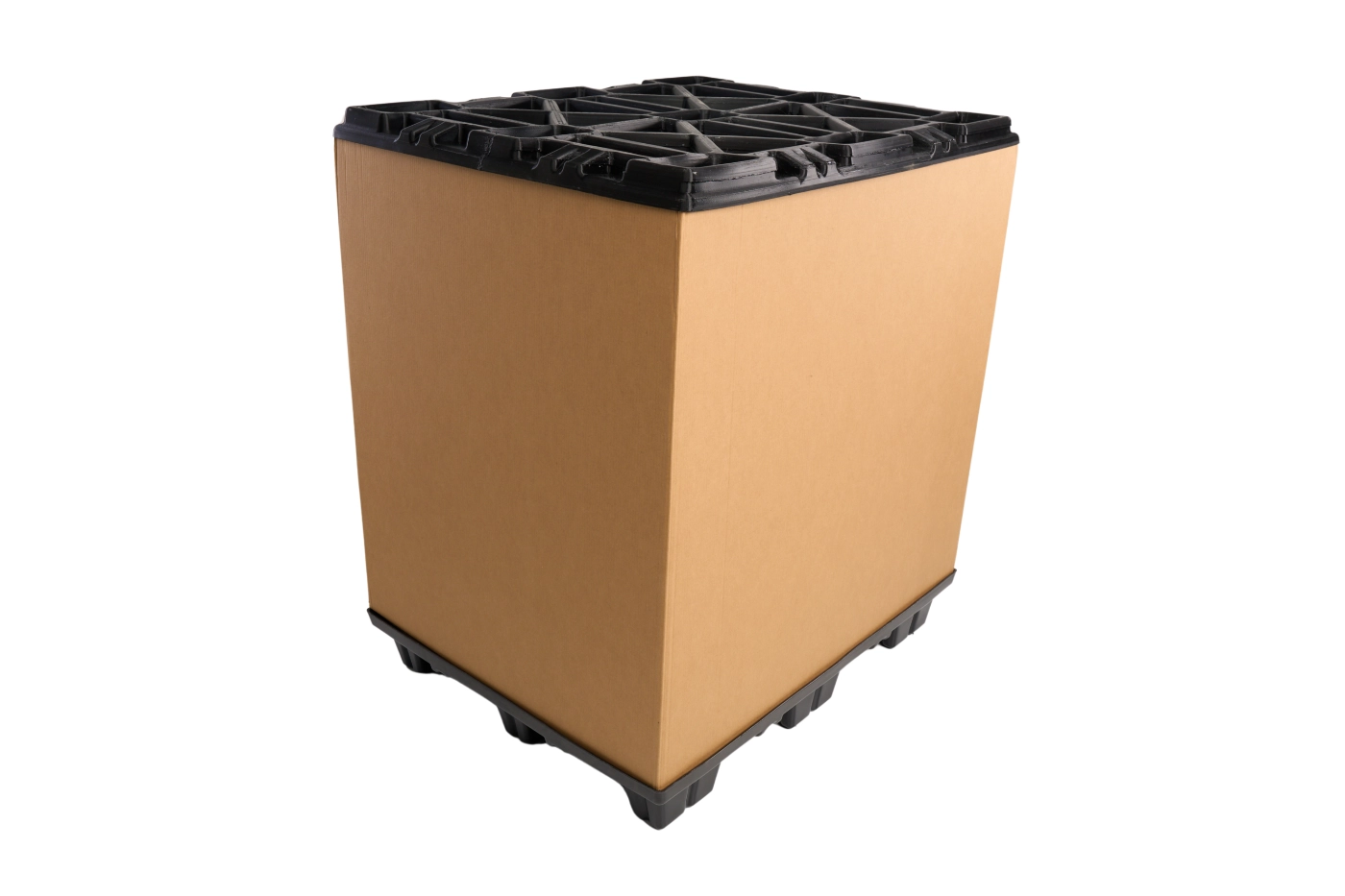
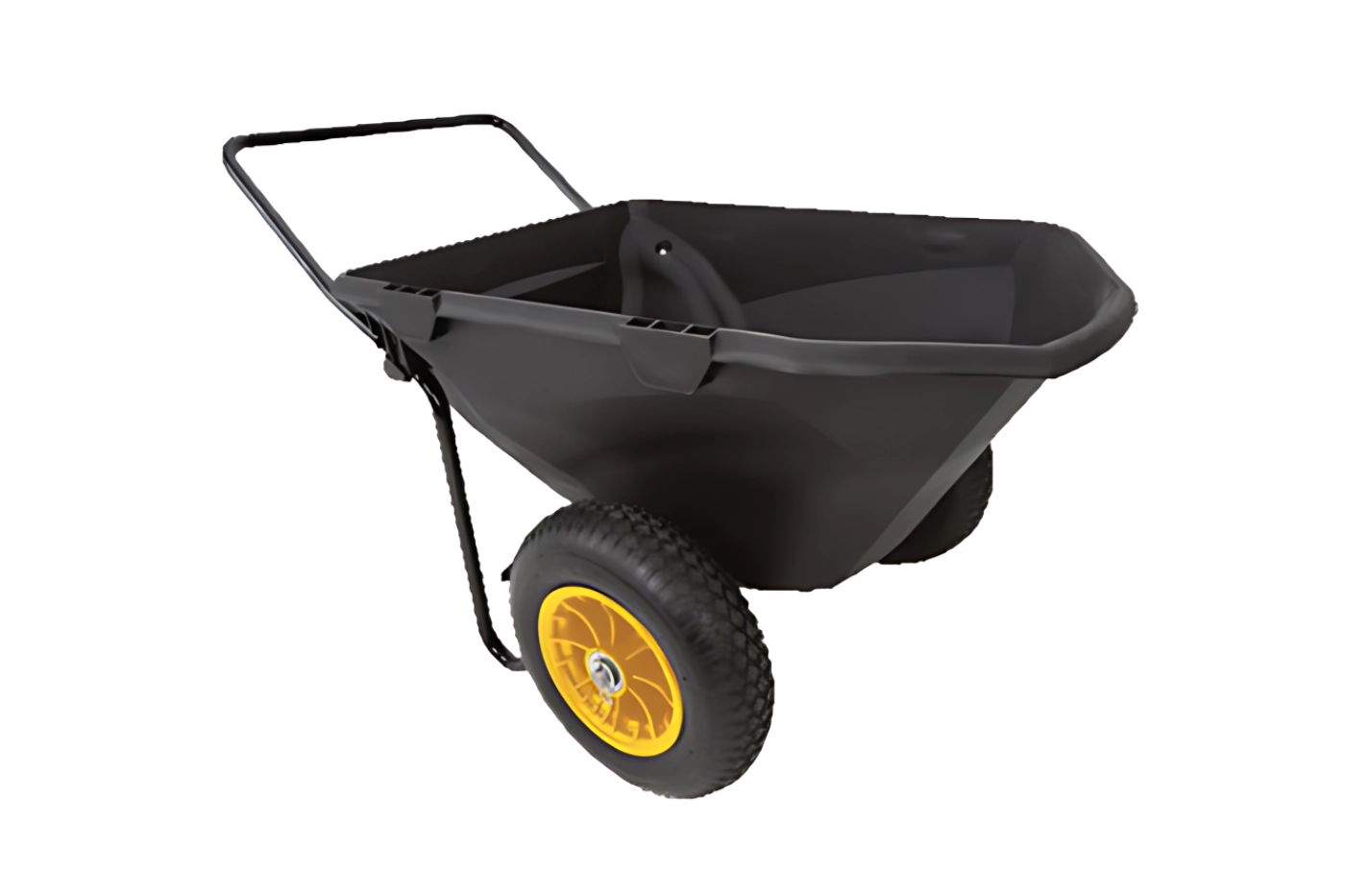
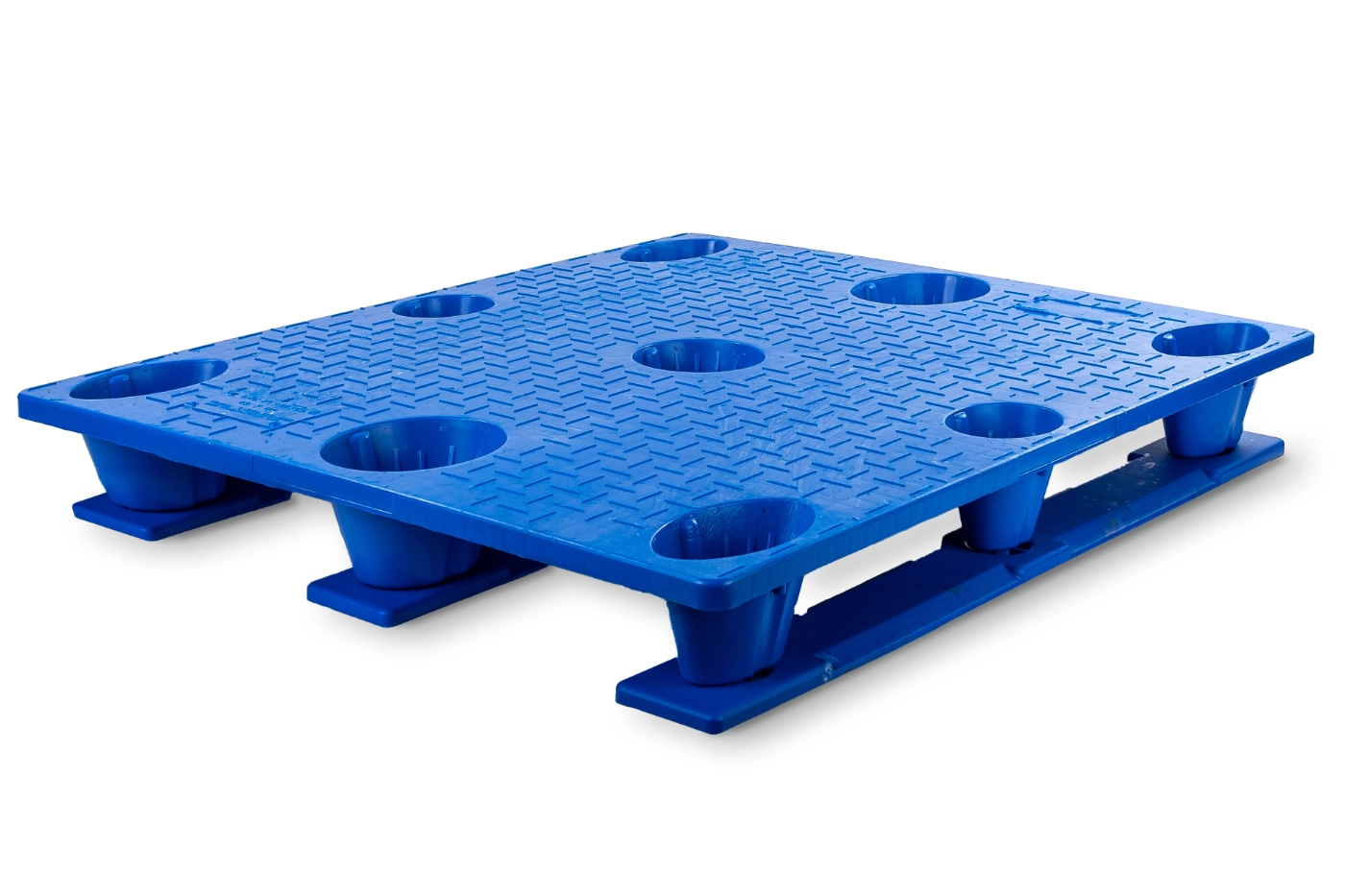




Materials Expertise
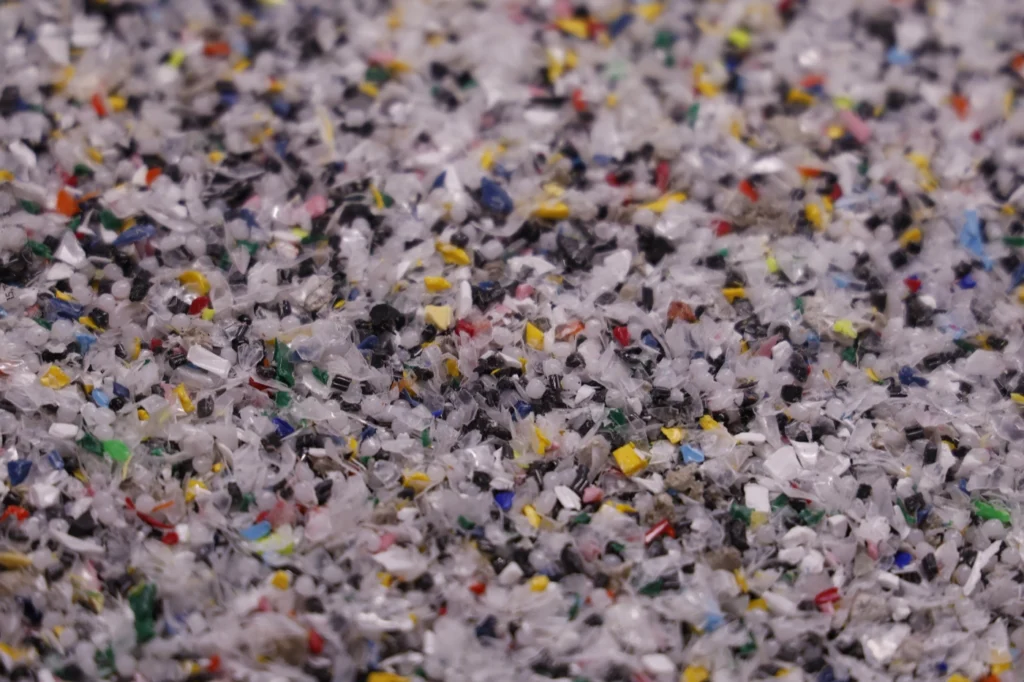
We process advanced thermoplastics and recycled compounds to meet OEM performance and environmental standards.
PP (Polypropylene)
HDPE (High Density Polyethylene)
ABS (Acrylonitrile Butadiene Styrene)
Recycled Composites
Other Materials
Engineering + Quality
Sustainability
Sustainability isn’t a trend — it’s our process. CTC’s recycled materials reduce landfill waste while delivering high-performance parts.
Featured Resources / FAQs
Compression molding is a manufacturing process where pre-measured plastic material is placed into a heated mold cavity. The mold is then closed, and pressure is applied to shape the material into the desired form. Once cooled, the part is removed. This method is widely used for thermosetting plastics.
Common materials include thermosetting plastics like phenolic, epoxy, polyester, and melamine, as well as reinforced plastic materials with glass or carbon fibers. Thermoplastics can also be molded with specific formulations. Compression molding is ideal for high-strength, heat-resistant, and electrically insulating parts.
Key benefits include:
- High strength and dimensional stability
- Ability to mold large, complex parts
- Excellent surface finish
- Minimal material waste
- Cost-effective for medium to high-volume production
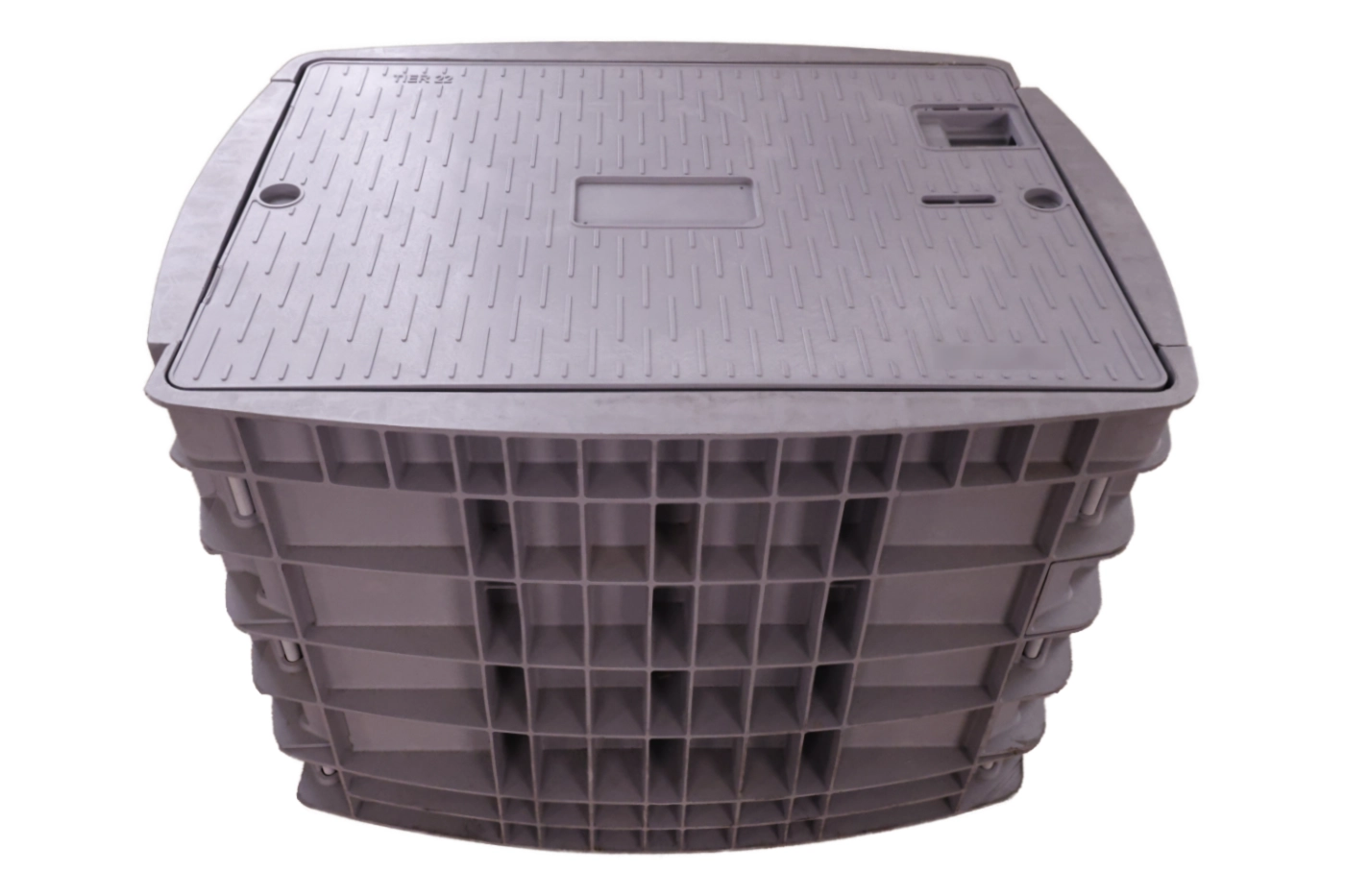
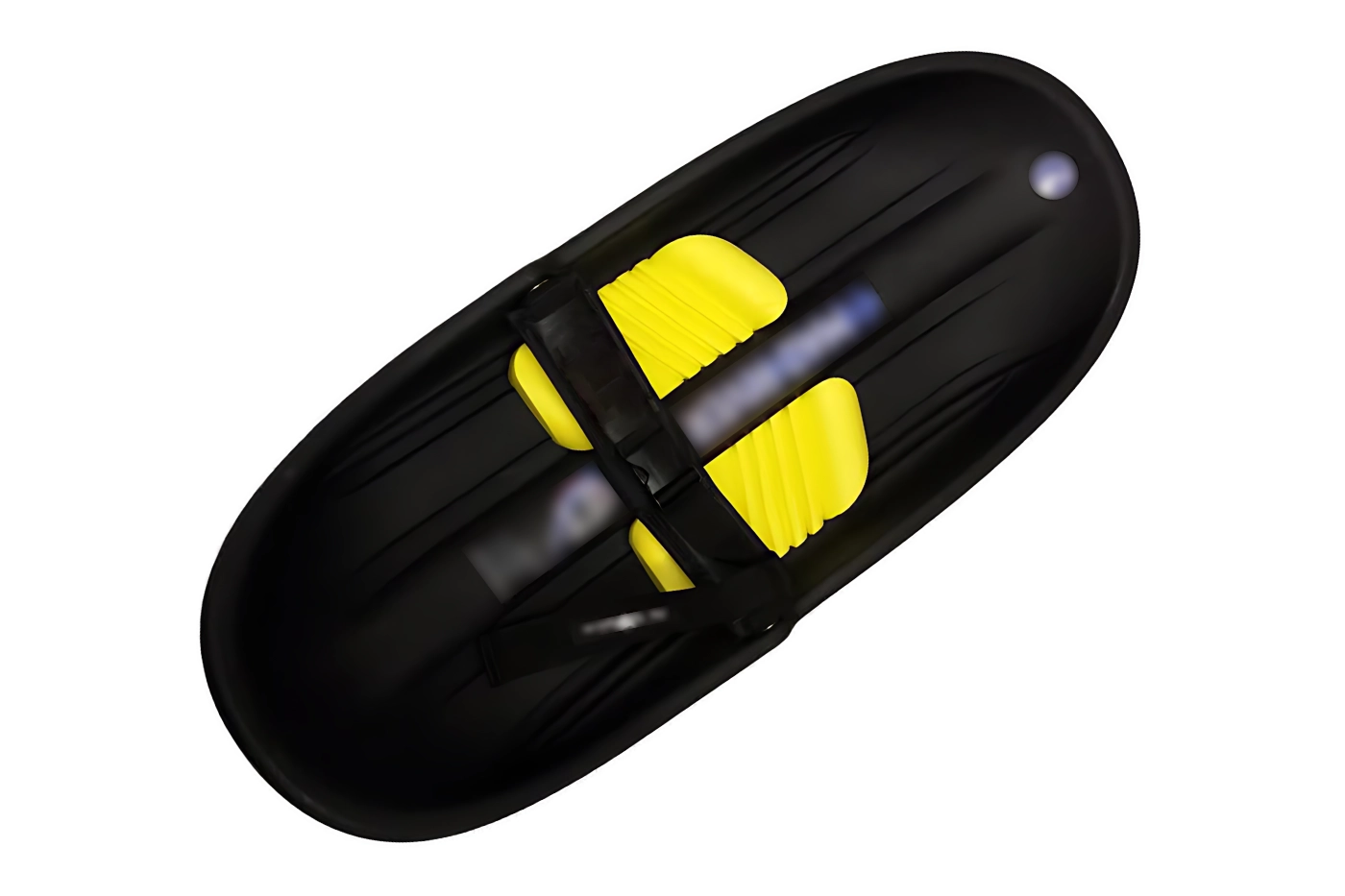
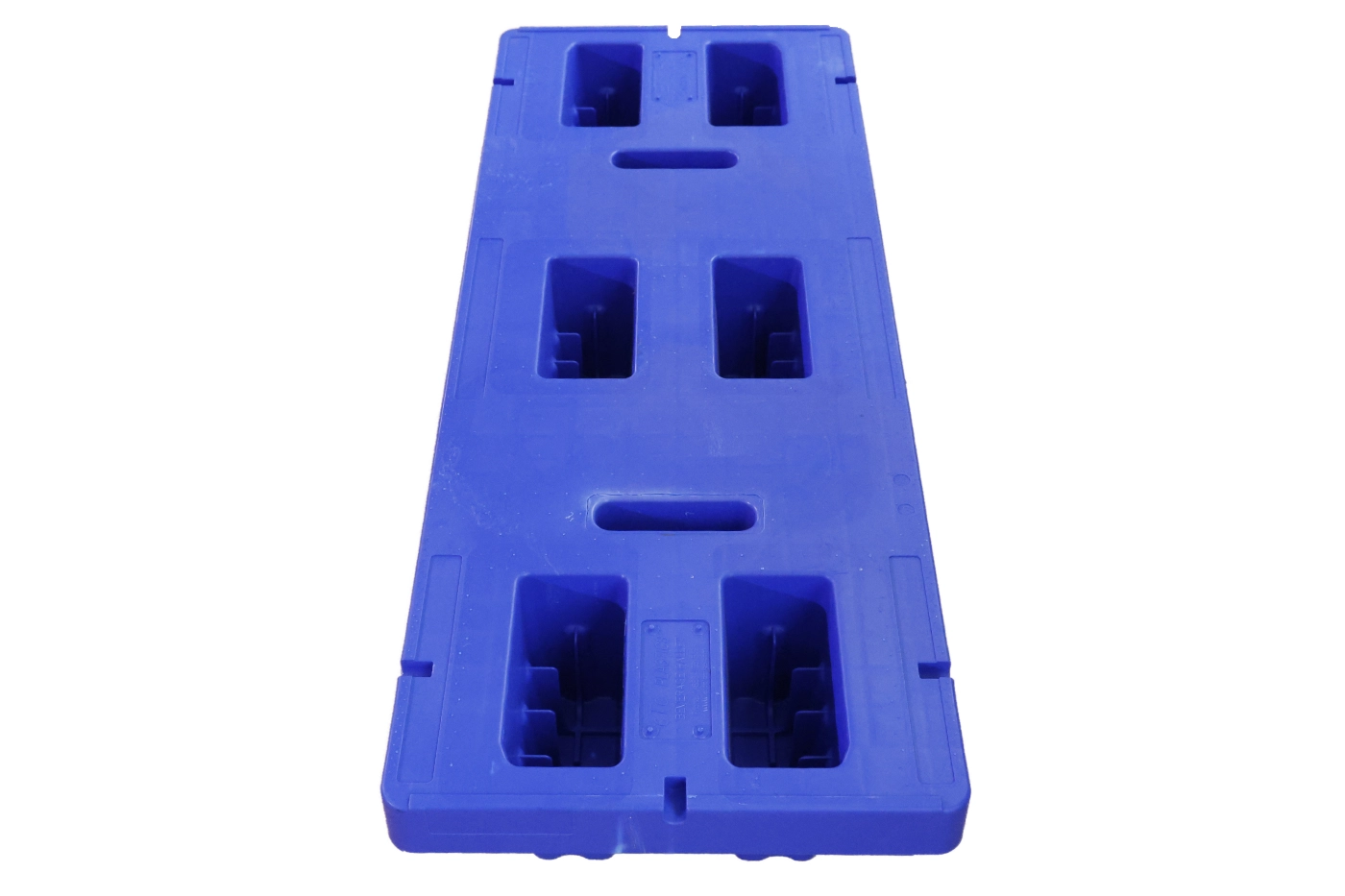
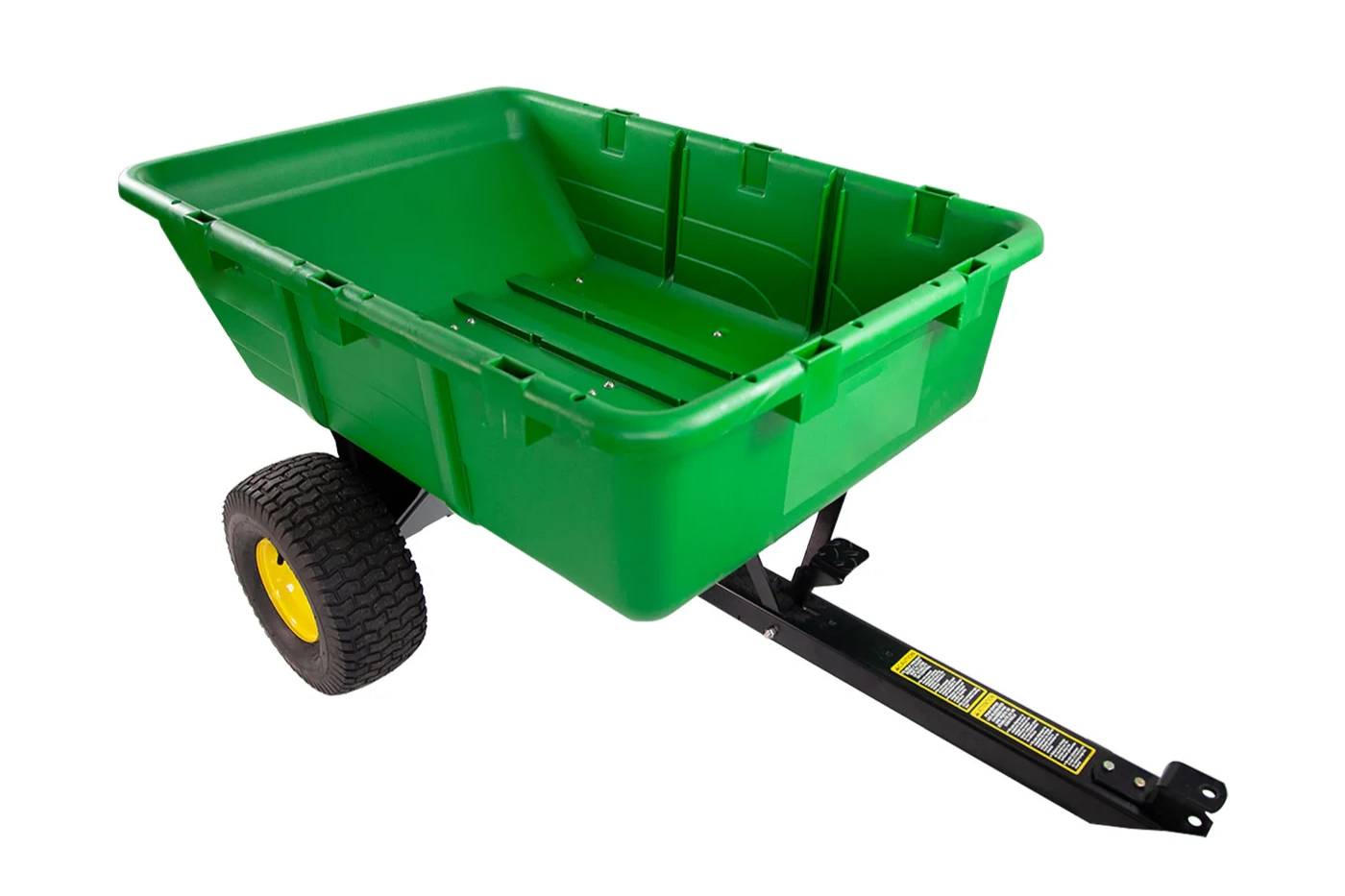
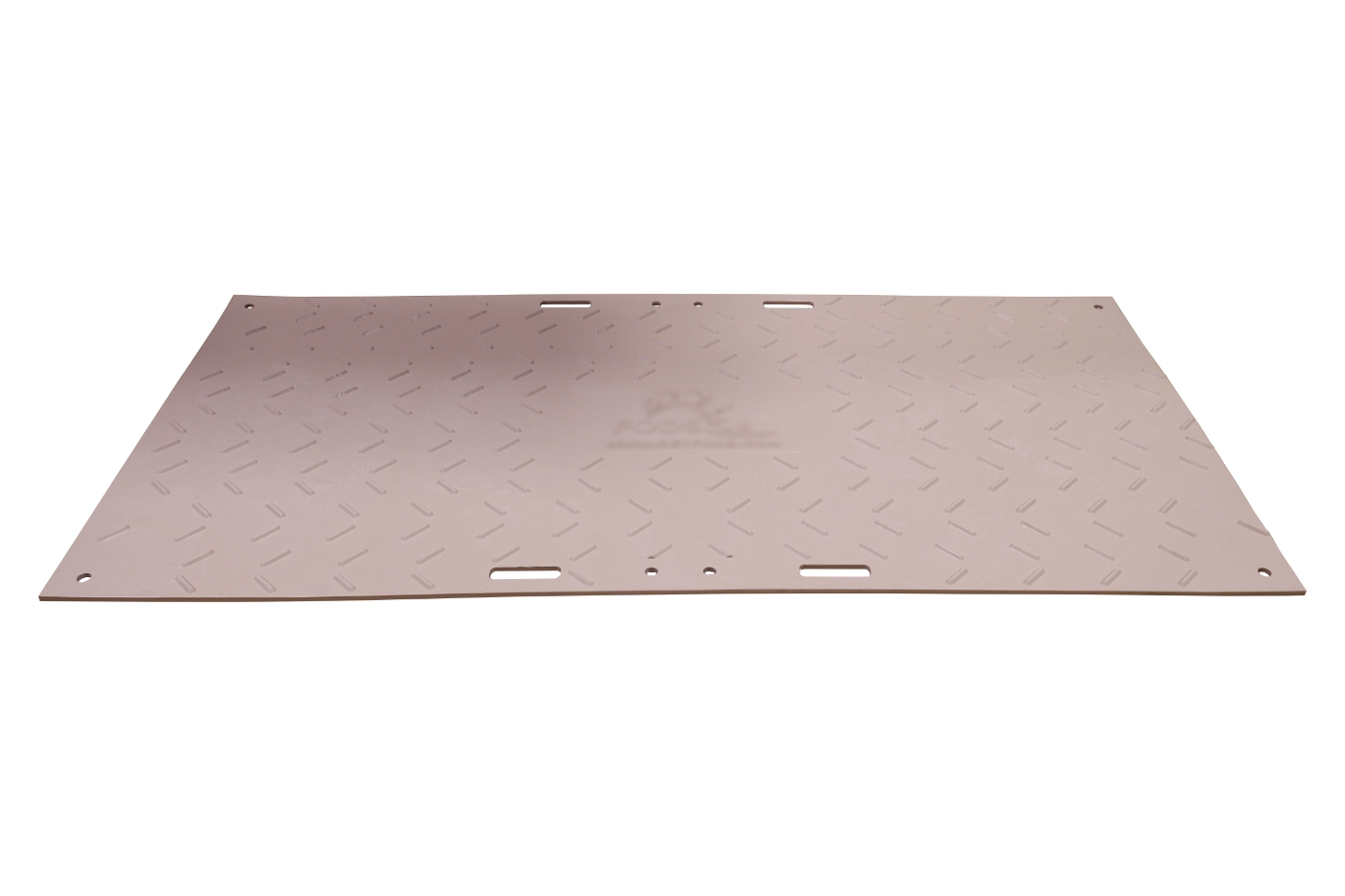
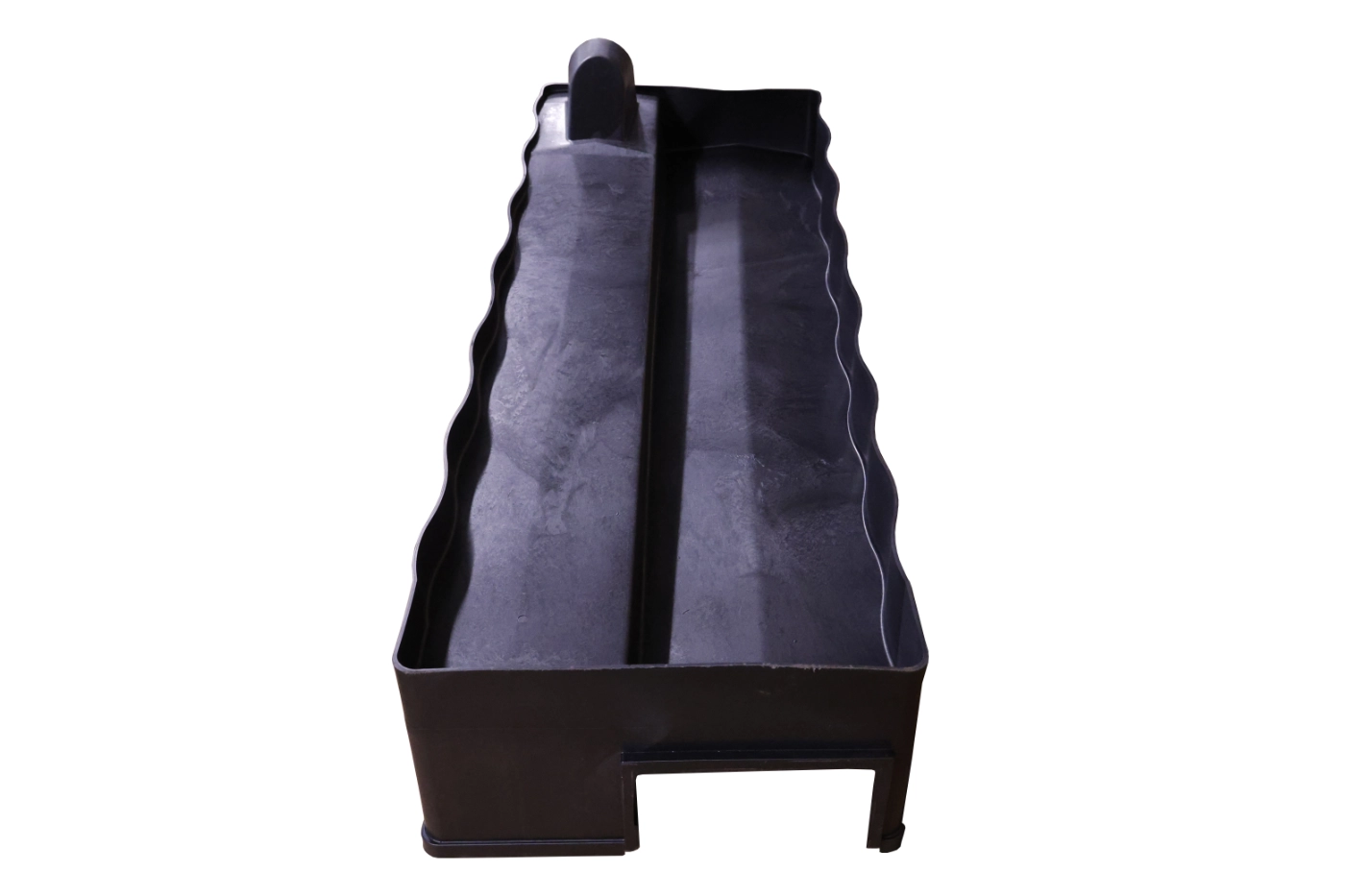
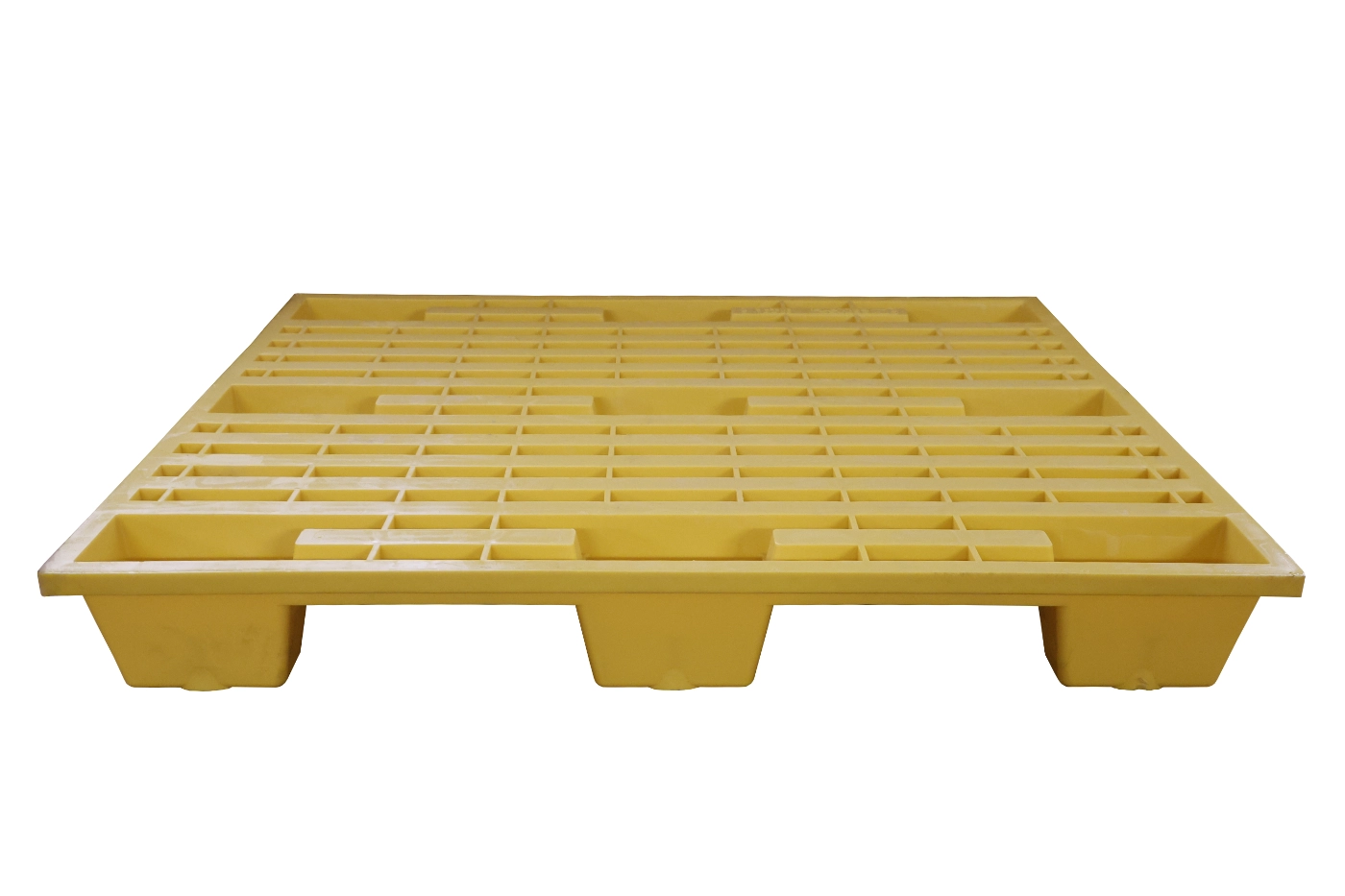
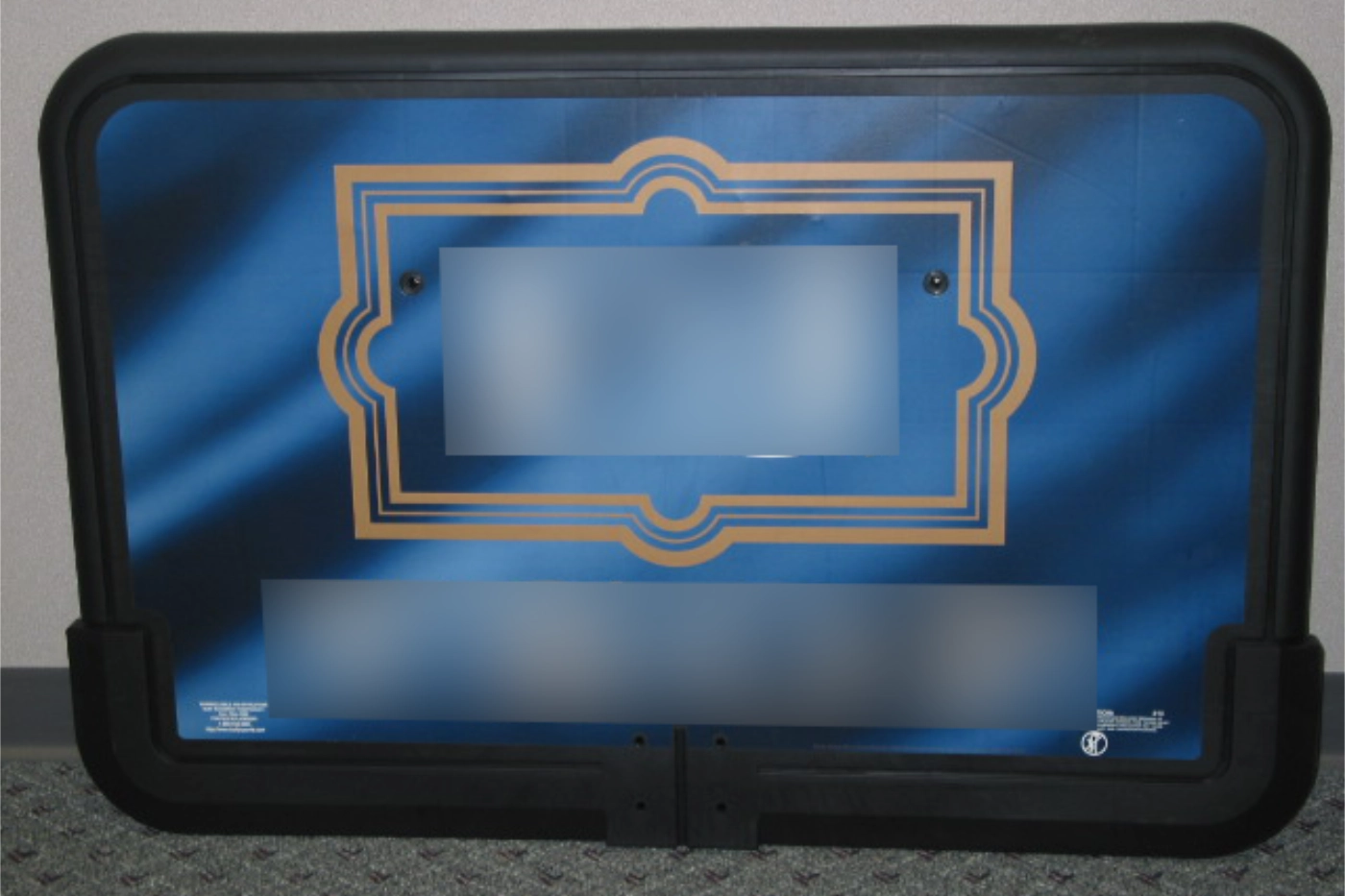
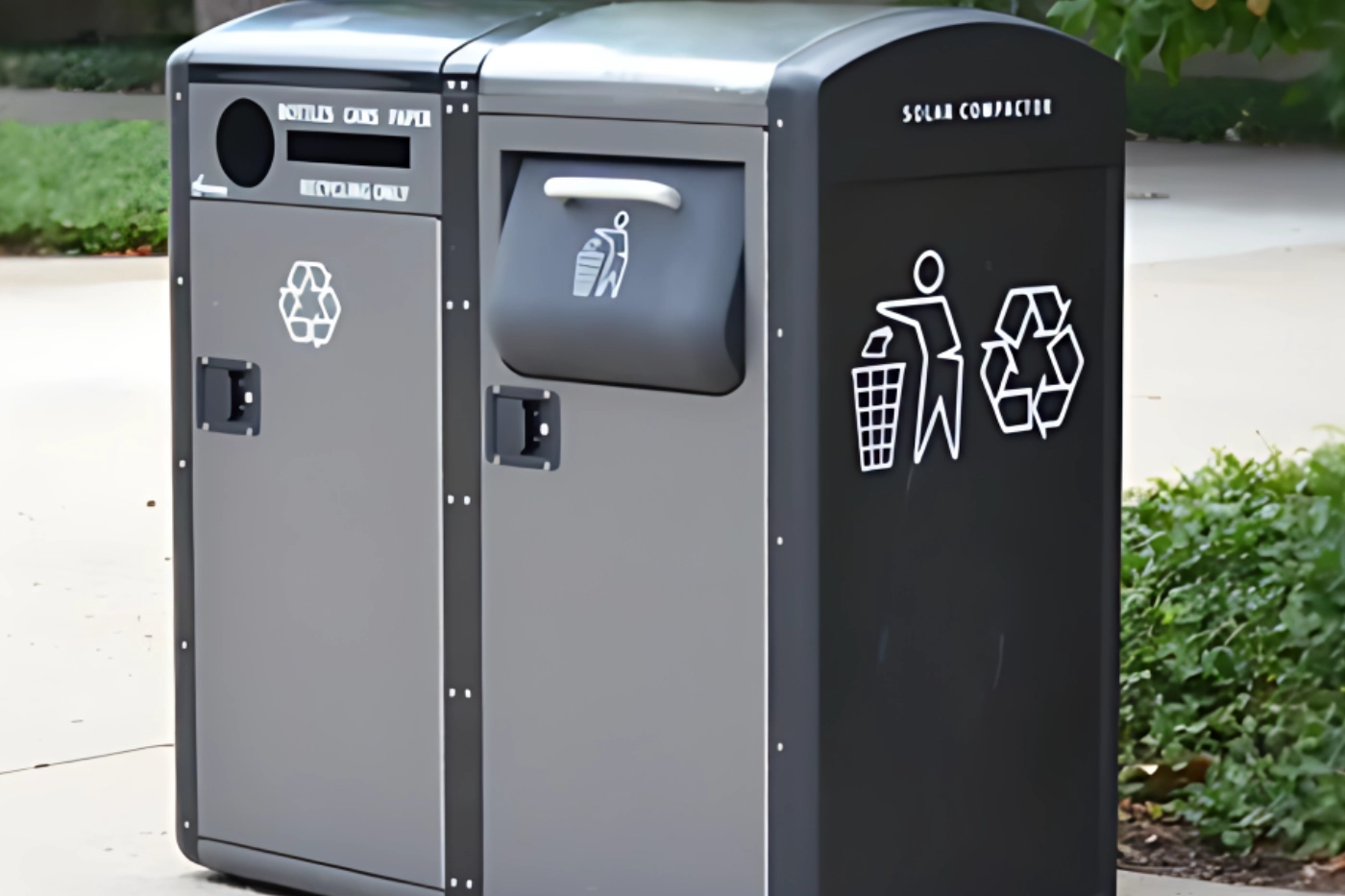
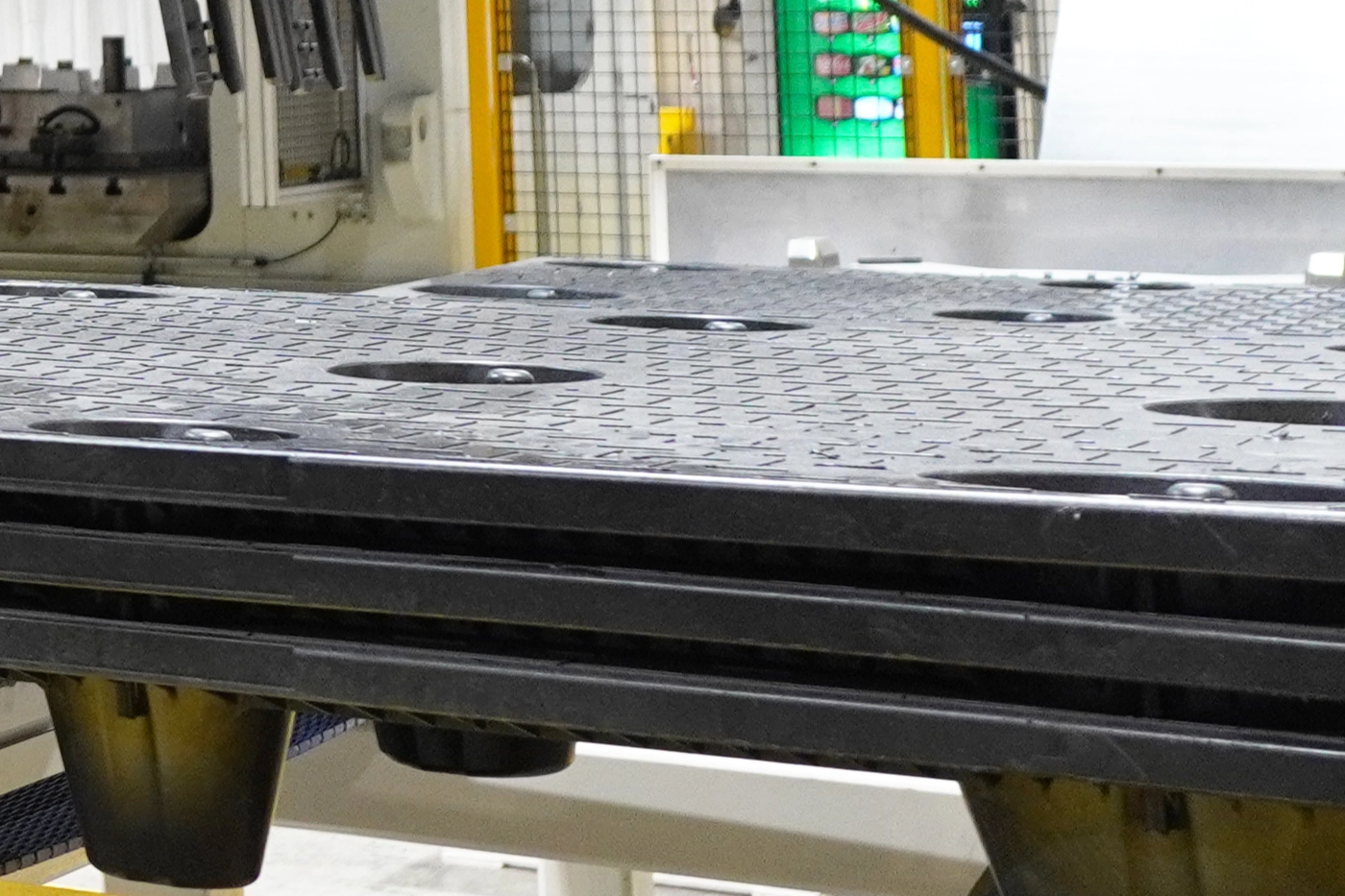
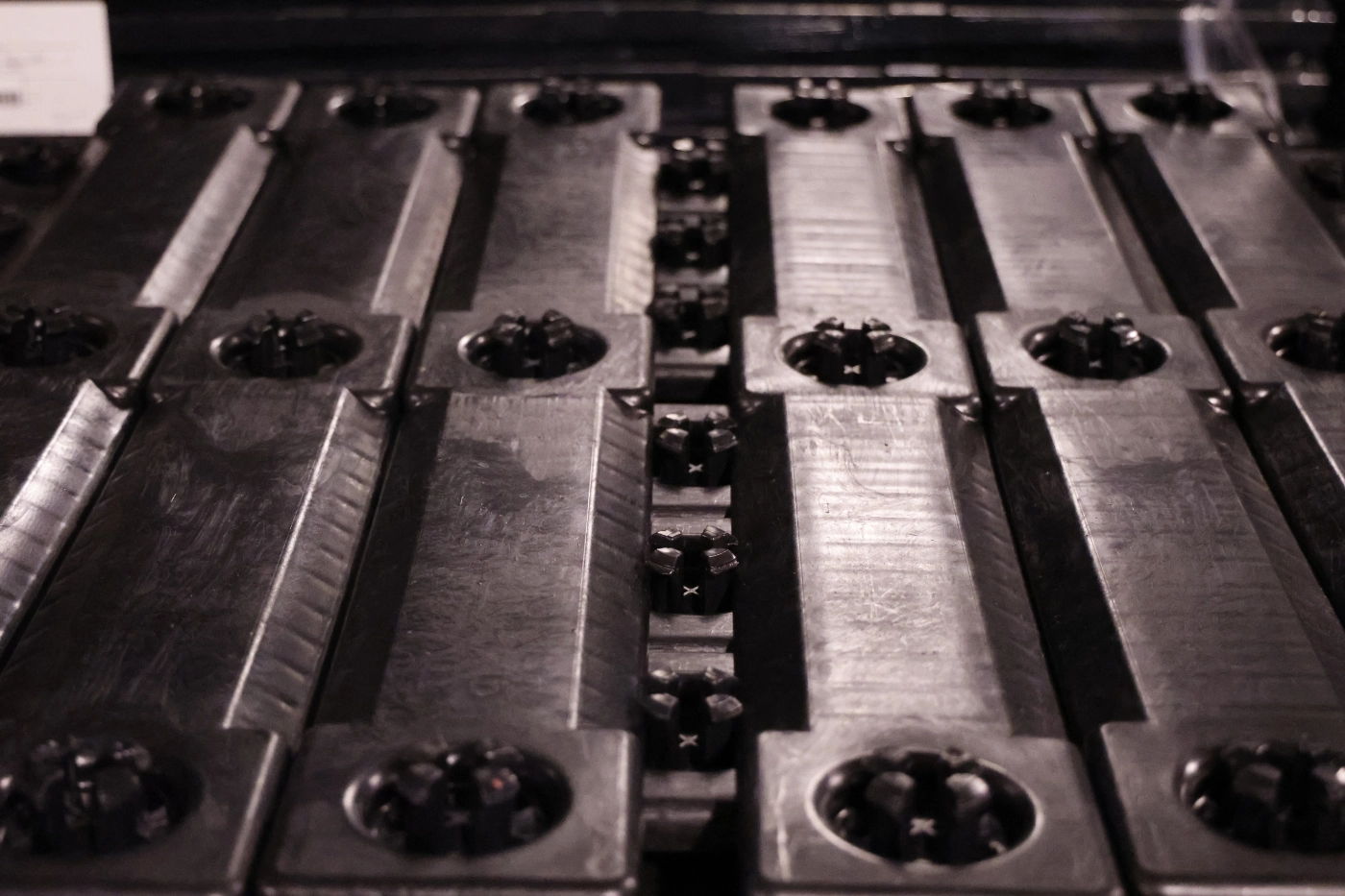
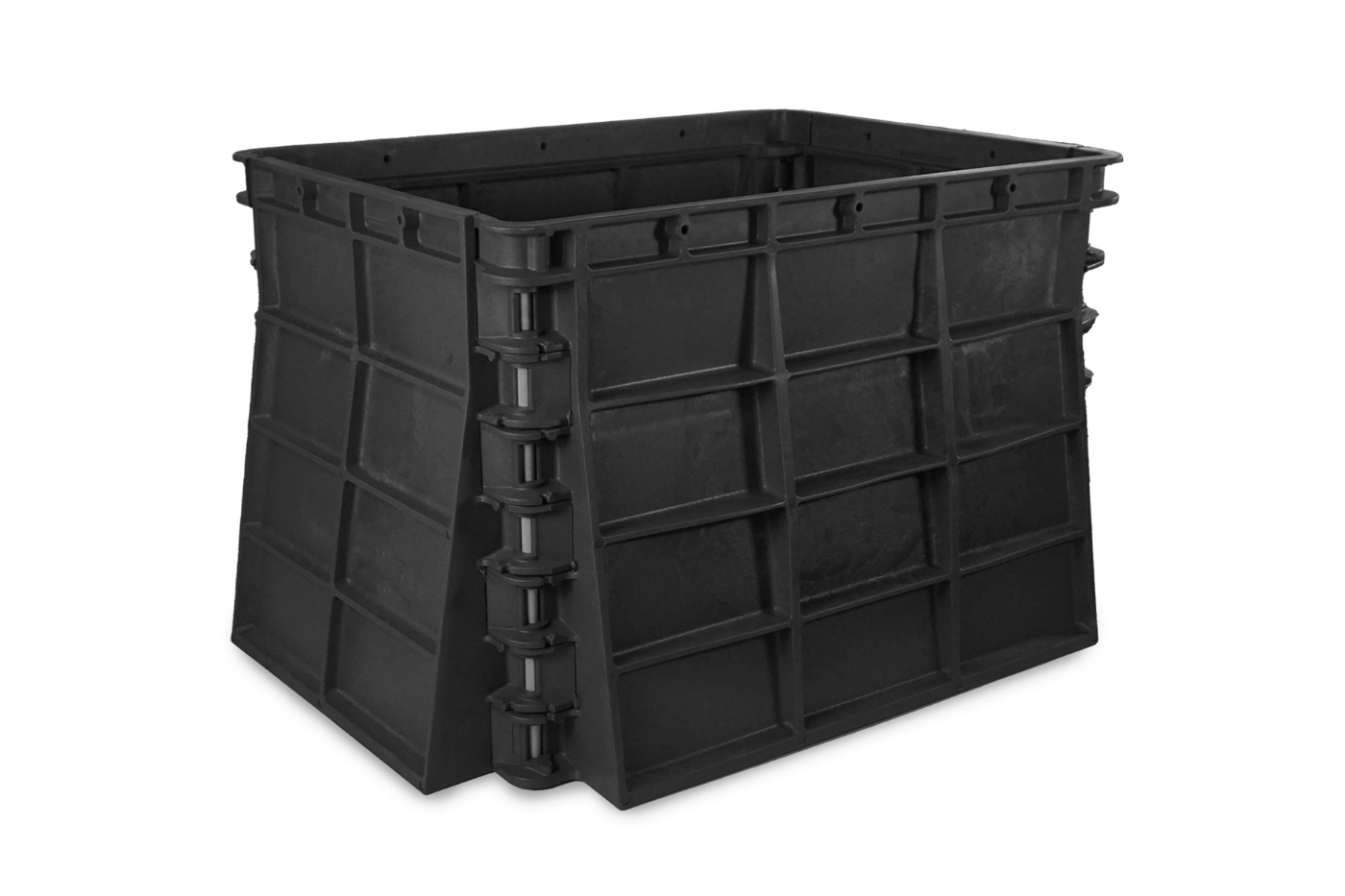
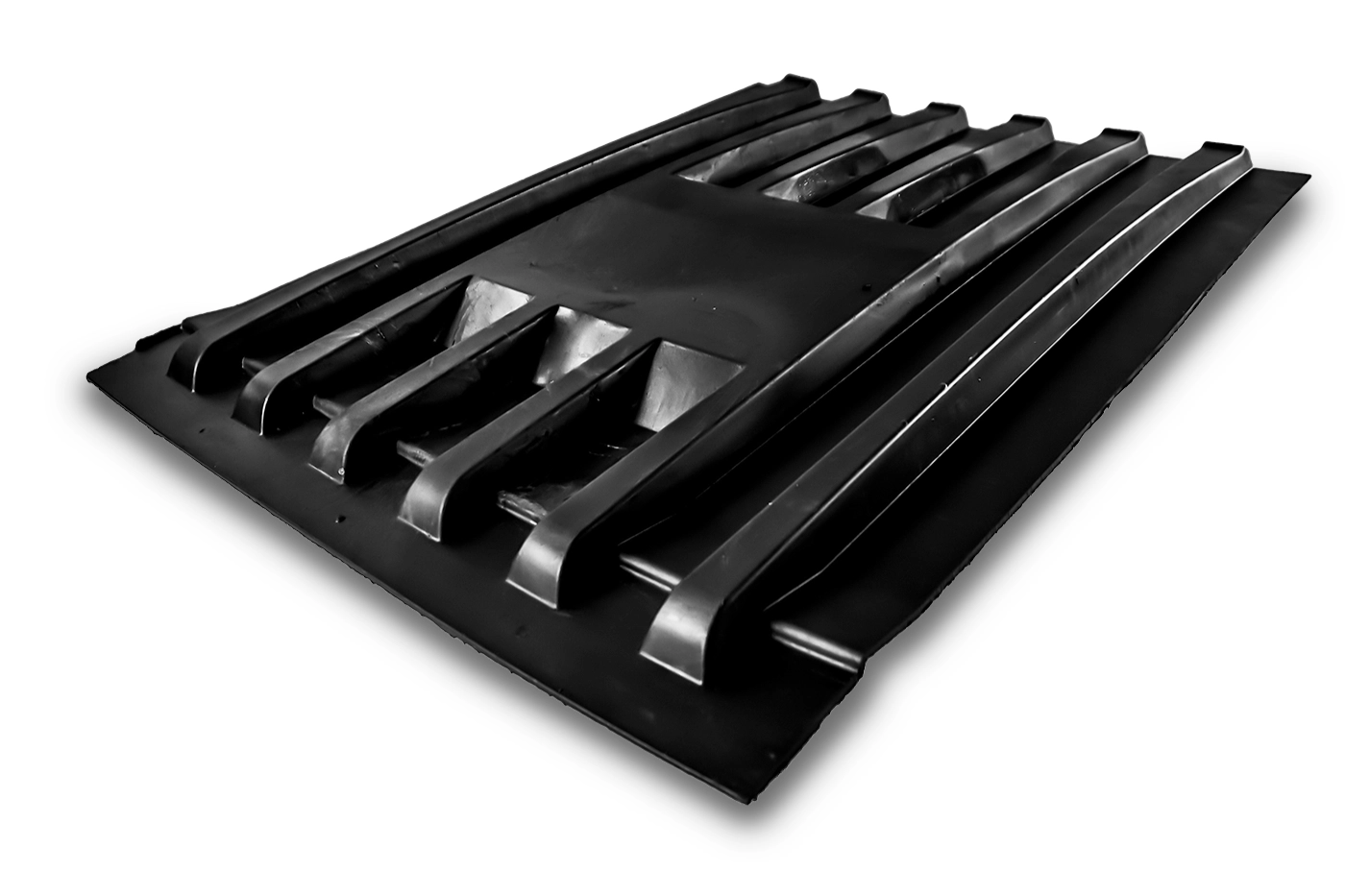
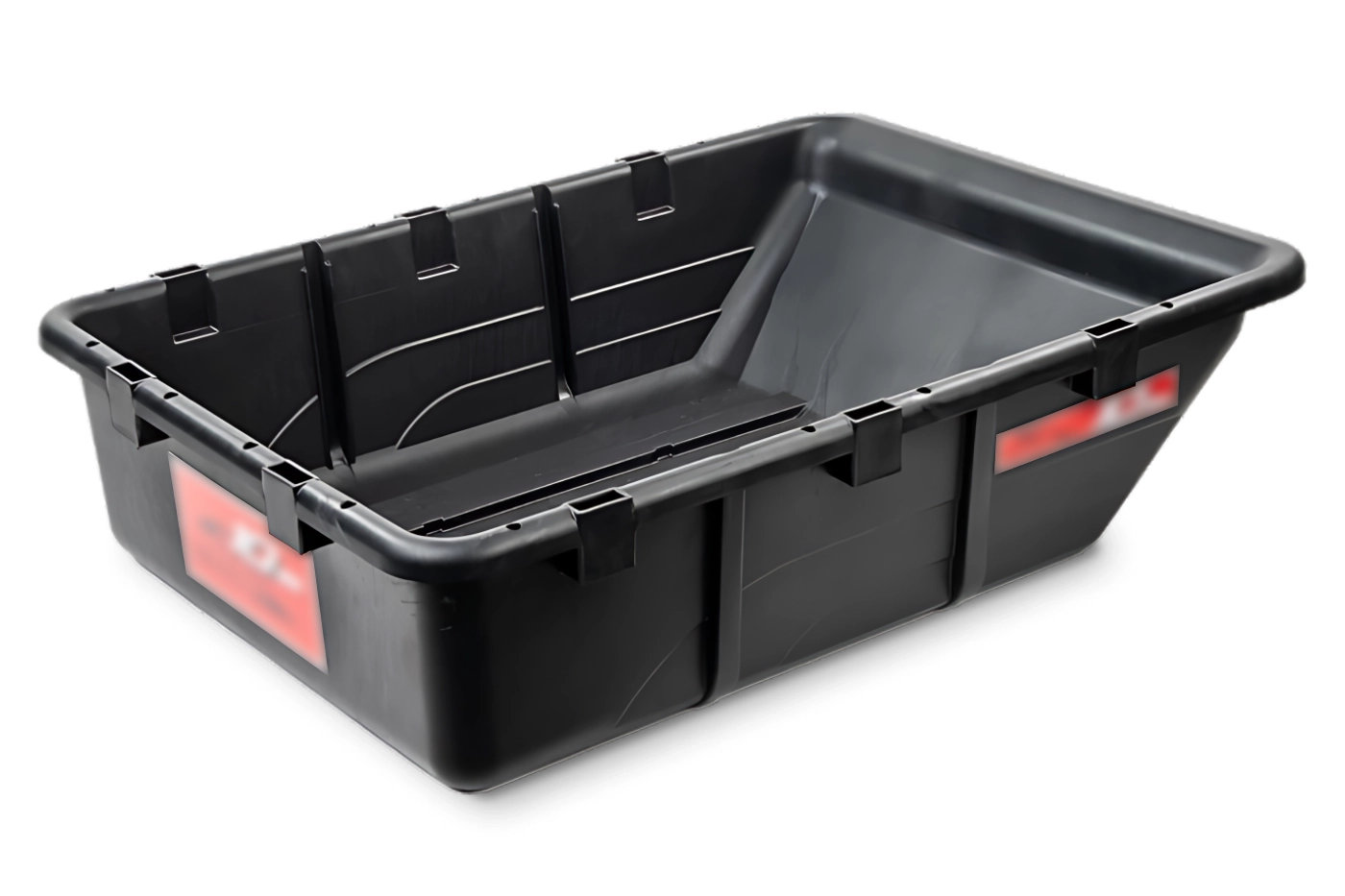
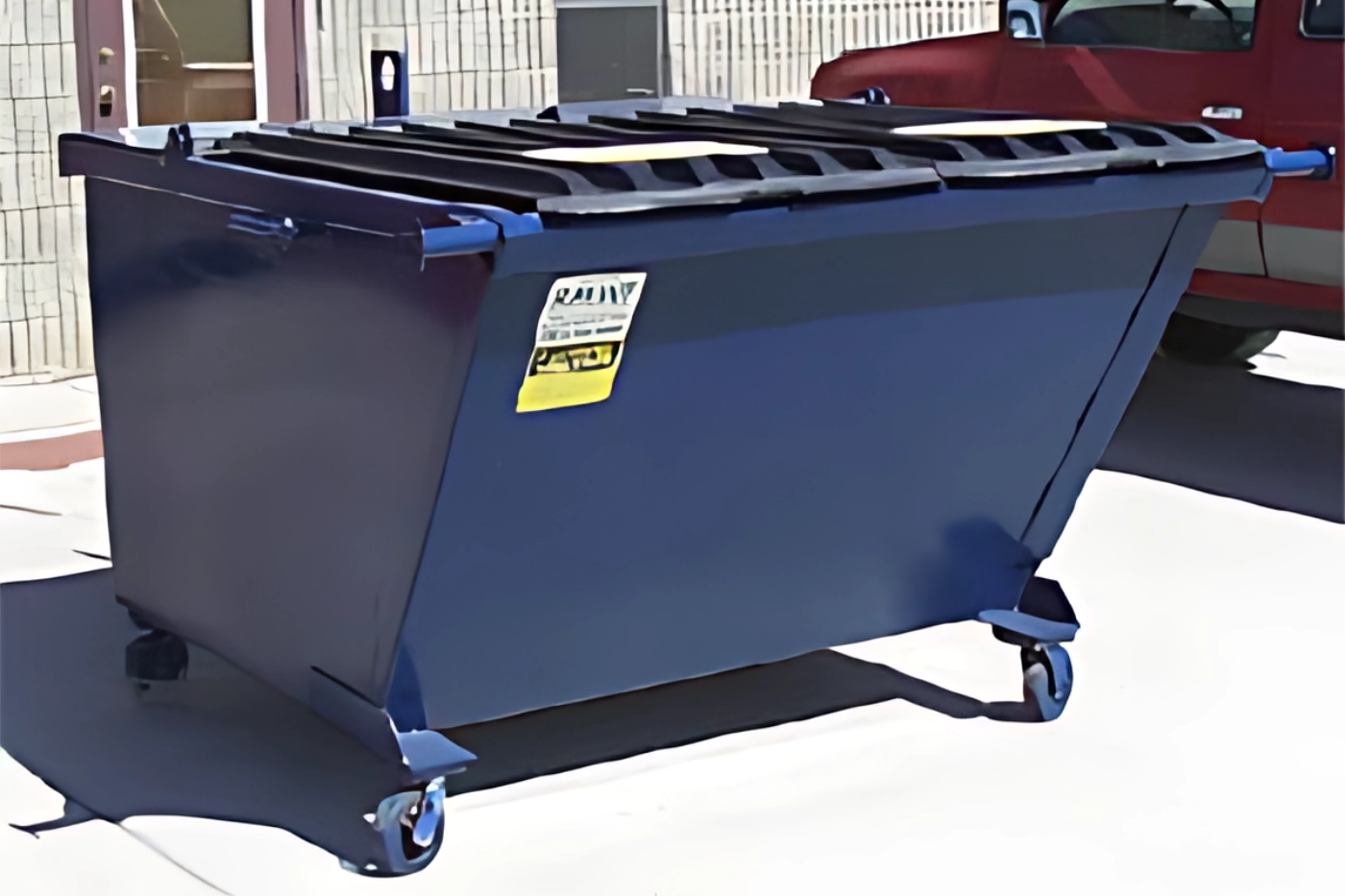
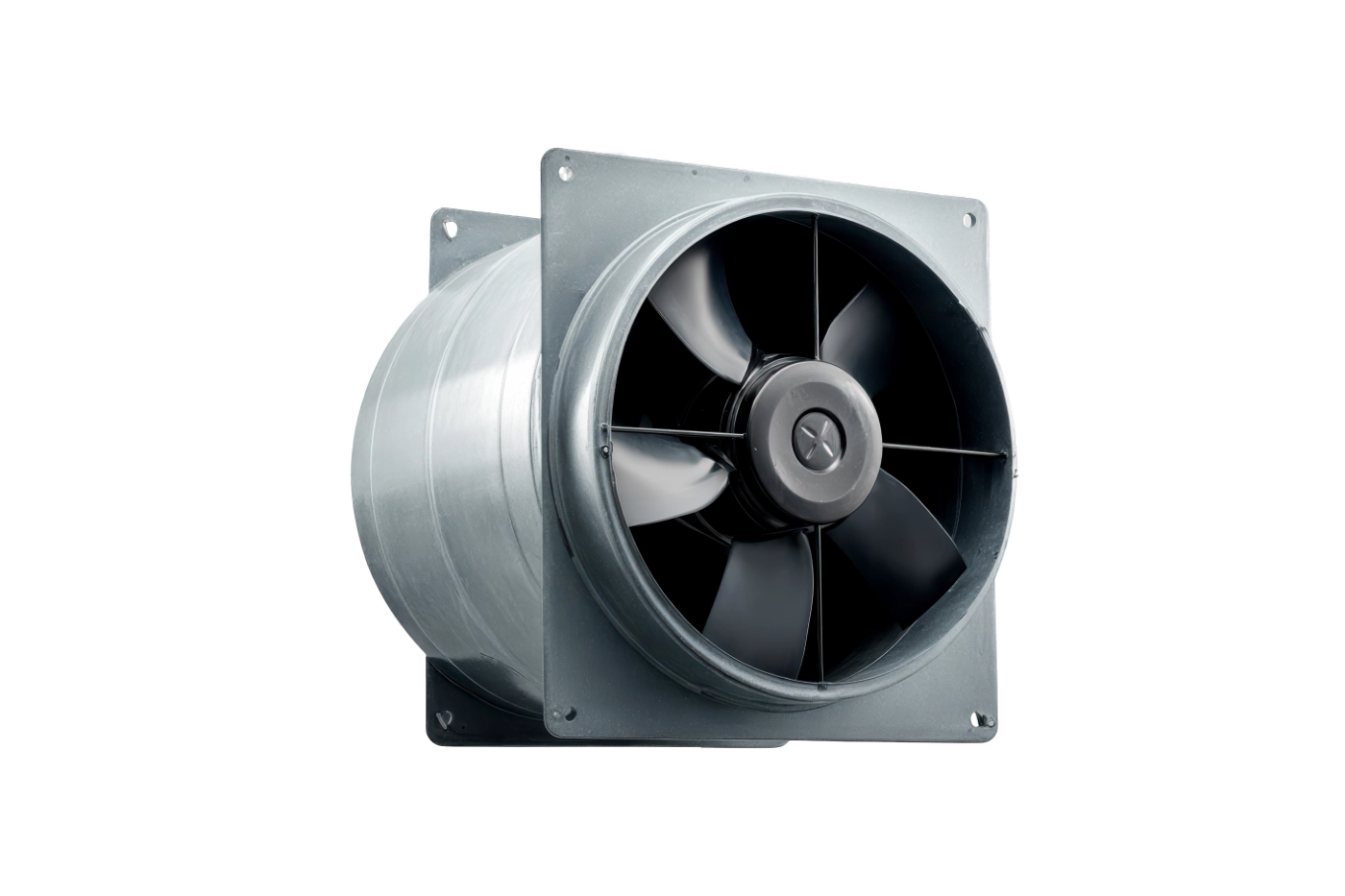
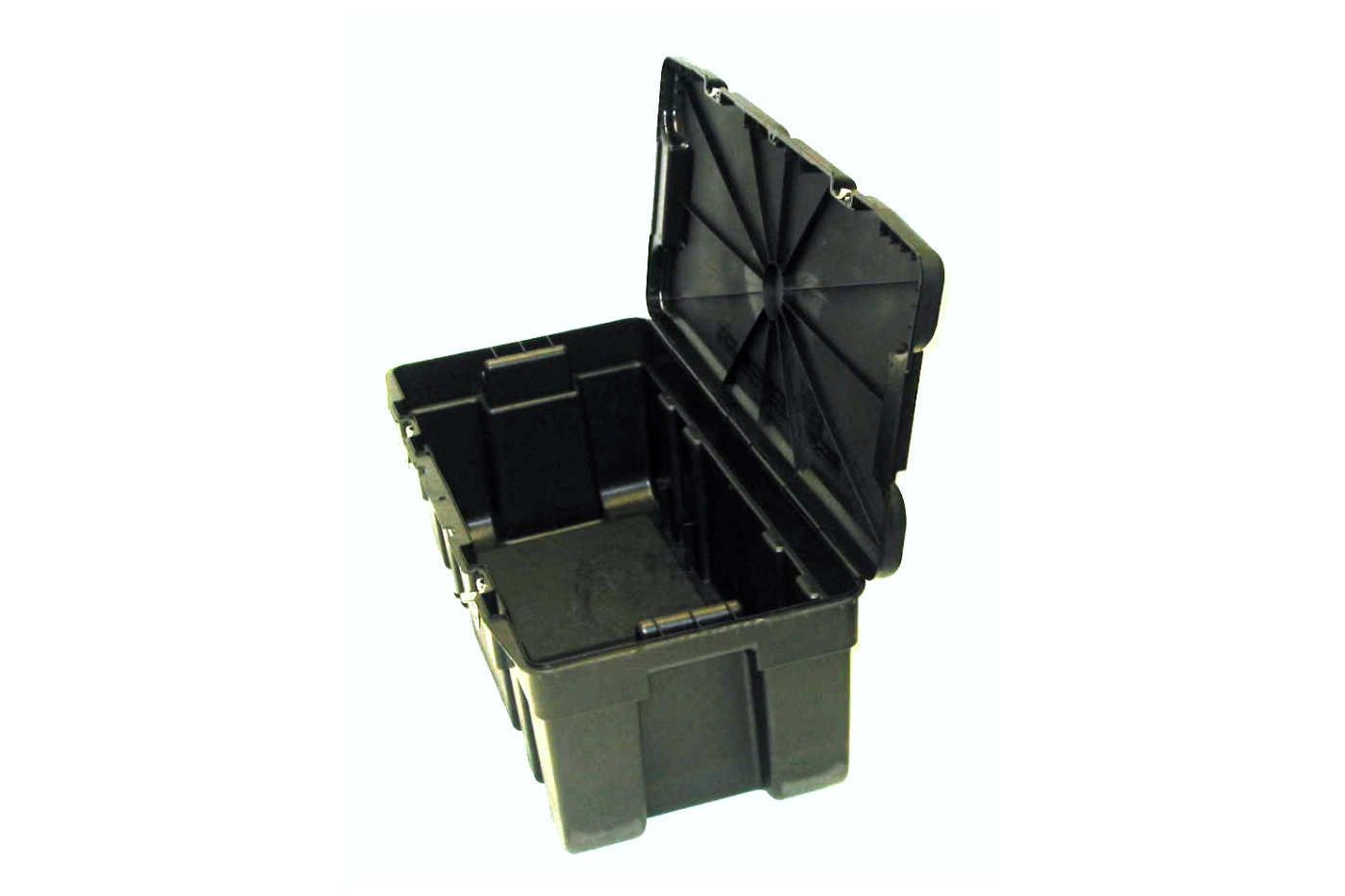
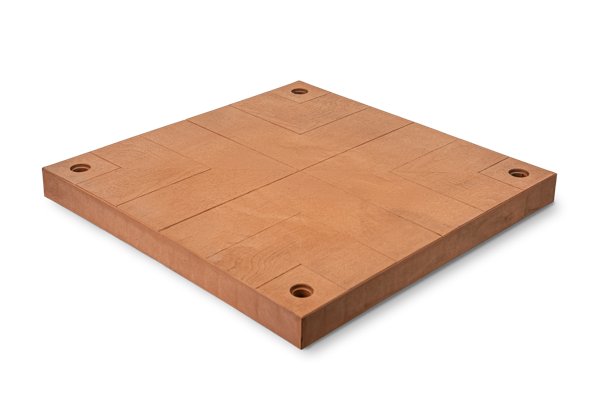
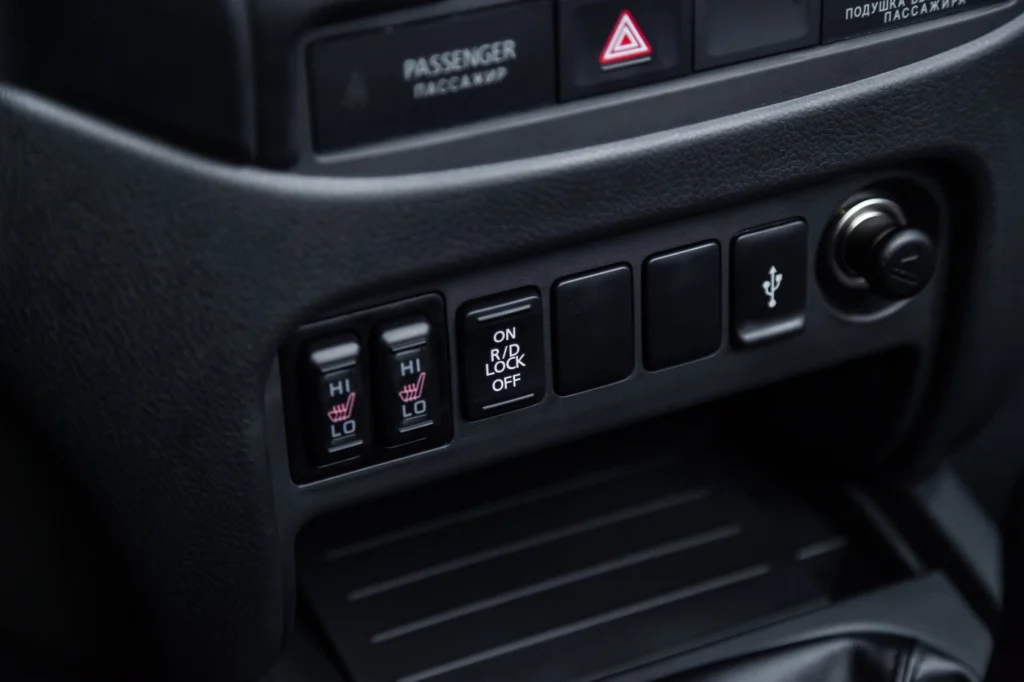
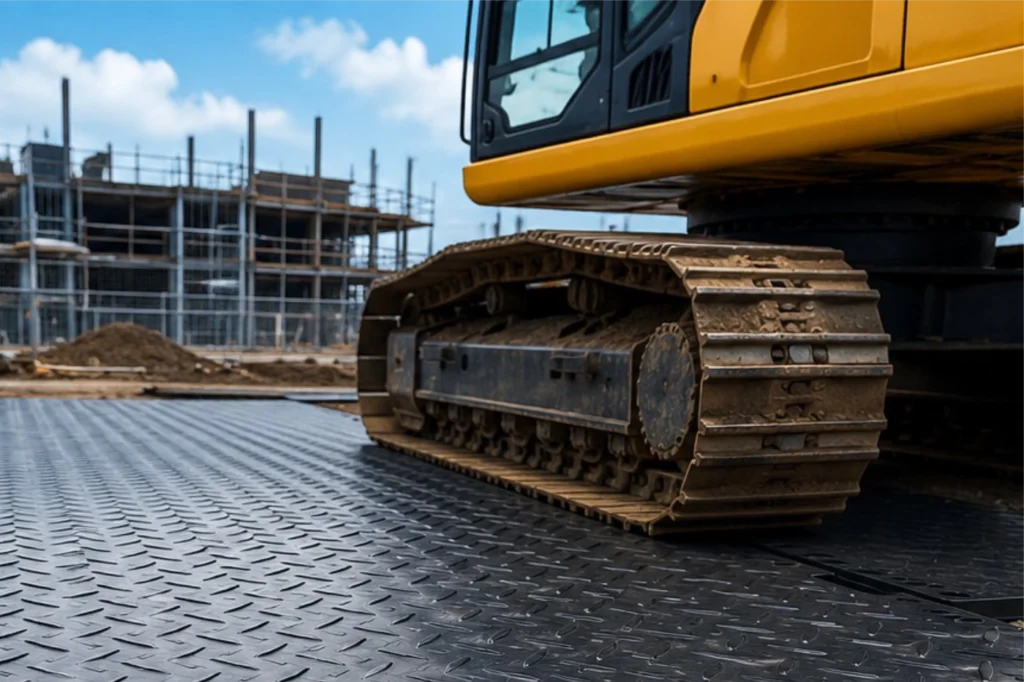
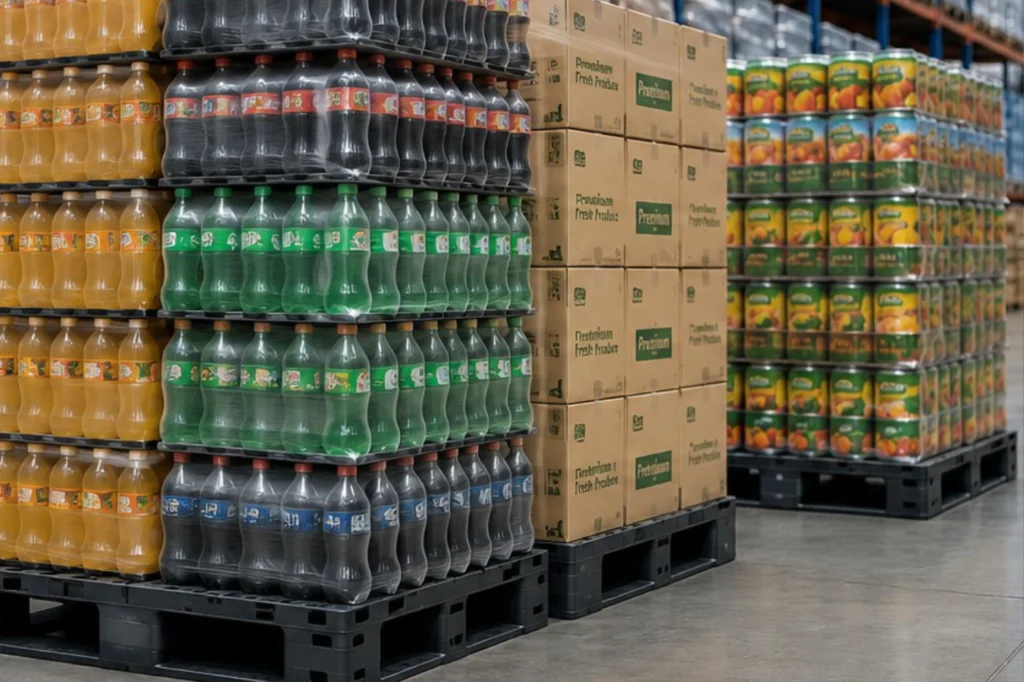
Compression molding is used across industries for automotive parts, electrical components, kitchenware, industrial equipment, and specialty plastics like pallets or structural panels.
Unlike injection molding, which injects molten material into a mold, compression molding places a pre-measured “charge” of material into a mold cavity and shapes it using heat and pressure. Compression molding is often better suited for large, strong, or heat-resistant parts, while injection molding excels with high-volume, intricate designs.
Yes, though there are some limitations. While compression molding can create detailed features and surface textures, extremely thin walls or undercuts may require additional tooling considerations.
Compression molding is ideal for medium to high-volume production. It can produce thousands of parts per day depending on part size, cycle time, and automation level.
Designers should consider:
- Uniform wall thickness for consistent curing
- Draft angles for easy part ejection
- Minimal undercuts to simplify tooling
- Material flow and fiber orientation for reinforced plastic materials
Cycle times vary by material, part size, and mold design, typically ranging from 1 to 10 minutes. Larger or more complex parts may require longer curing times.
Compression molding is efficient, generating minimal waste compared to machining or trimming processes. Thermoset materials are durable and long-lasting, which reduces part replacement over time. Some manufacturers also recycle trimming scrap into new products.
Absolutely. Compression molding can produce large, strong parts like industrial pallets, panels, or structural components with excellent strength-to-weight ratios.
Quality is maintained through precise material selection, advanced mold design, controlled heat and pressure, and rigorous inspection. CTC also leverages experience in tooling, engineering, and process optimization to ensure consistent results.
About CTC Plastics
For over 30 years, CTC Plastics has built a reputation for precision molding, engineering expertise, and sustainable solutions.
Get Started Today
CTC Plastics has the ability and processes to meet your Custom Molding needs. Call today to see what we offer, and how our solutions we can benefit your company.
Get A Quote